
What Can You Expect from a DISC Workshop?
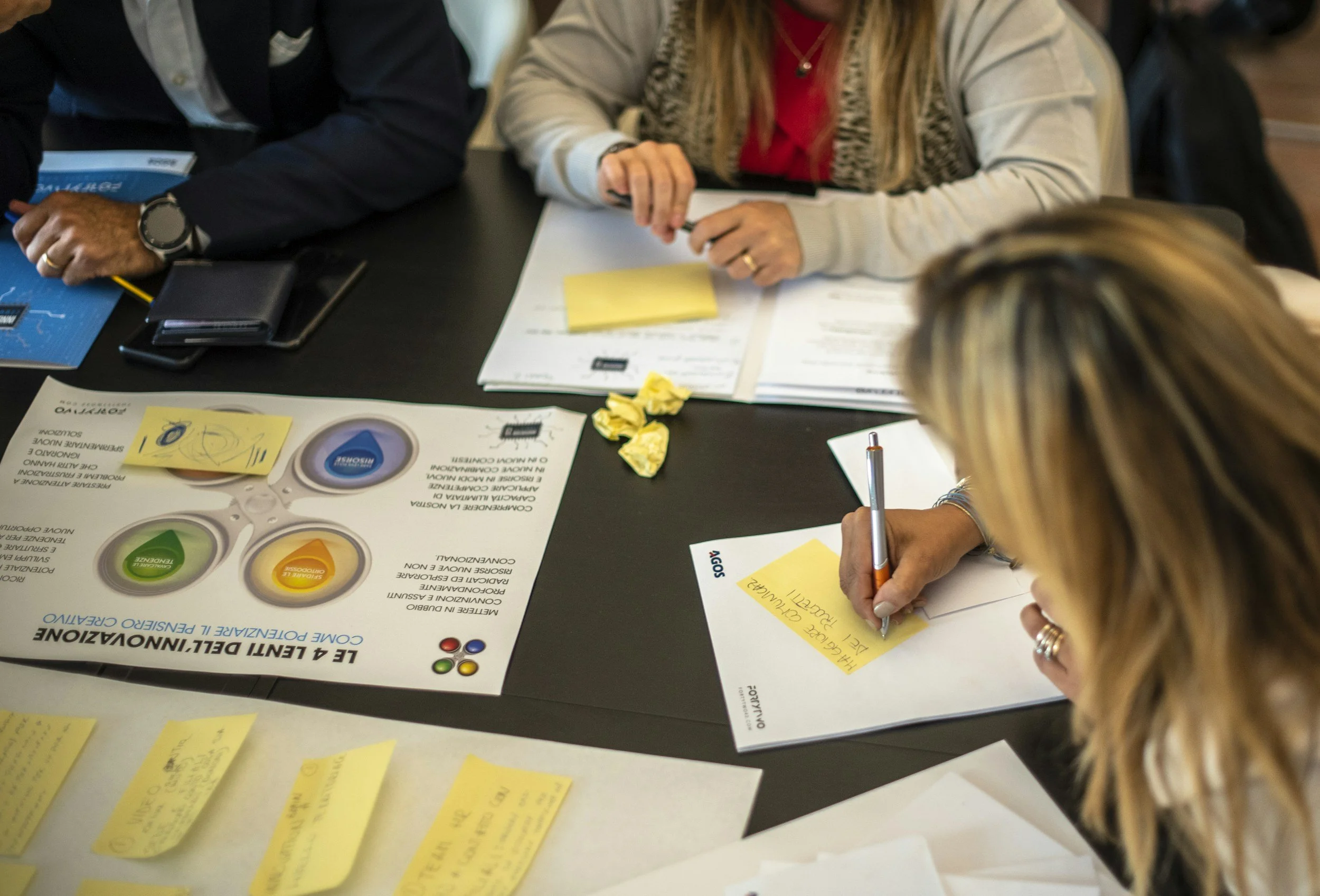
Behavioural styles come to life during a facilitated workshop
A DISC workshop is designed to help people better understand their own behavioural style, recognise the preferences of others and adapt the way they communicate and work together.
While completing a DISC profile provides valuable personal insights, the workshop is where those insights are brought to life. Participants move beyond simply identifying their style and explore how different behavioural preferences influence communication, decision-making, teamwork, conflict and leadership.
What is DISC?
DISC is a practical behavioural framework built around four broad styles:
Dominance (D): direct, decisive and results-focused
Influence (I): enthusiastic, persuasive and relationship-focused
Steadiness (S): patient, dependable and supportive
Conscientiousness (C): analytical, considered and quality-focused
Most people display a combination of all four styles, although they may naturally favour one or two. There is no “best” DISC style. Each style brings valuable strengths, as well as potential limitations when overused or applied in the wrong situation.
Importantly, DISC is not intended to put people into boxes. It provides a shared language for understanding observable behaviour and exploring how people can become more flexible and effective in their interactions.
What happens before a DISC workshop?
Participants will generally complete an online DISC assessment before attending the workshop. The assessment asks a series of questions about how they are most likely to respond in different situations.
There are no right or wrong answers. The purpose is not to pass or fail, but to identify behavioural preferences.
Each participant then receives an individual DISC profile. Depending on the assessment being used, the report may provide insights into:
preferred communication style
workplace strengths
possible development areas
decision-making preferences
responses to pressure or conflict
factors that may motivate or frustrate them
how their behaviour may be perceived by others
ways to communicate more effectively with different styles
The report provides the data. The workshop helps participants interpret and apply it.
What can you expect during the workshop?
1. An introduction to the four DISC styles
The facilitator will introduce the DISC framework and explain the characteristics associated with Dominance, Influence, Steadiness and Conscientiousness.
Participants consider how each style approaches areas such as:
communication
pace of work
relationships
risk
change
problem-solving
decision-making
rules and processes
This helps people recognise that behaviour they may find difficult or frustrating is not necessarily intentional. It may reflect a different way of processing information, communicating or approaching a task.
2. An opportunity to understand your own profile
Participants explore their individual DISC results and consider how accurately the profile reflects their workplace behaviour.
This commonly includes reflecting on questions such as:
What are my natural behavioural strengths?
What do I tend to prioritise?
How do I communicate when things are going well?
What happens to my behaviour when I am under pressure?
How might other people experience my style?
What behaviours may I need to adapt?
DISC can validate strengths people already recognise, but it may also uncover blind spots. For example, a decisive leader may not realise that others experience their communication as abrupt, while a highly supportive team member may not recognise their tendency to avoid necessary conflict.
3. Greater understanding of other people
One of the most valuable elements of a DISC workshop is learning that other people may need something different from us.
Someone who prefers fast decisions and concise information may become frustrated by a colleague who wants more time and detail. Conversely, the colleague seeking detail may experience the faster person as impulsive or dismissive.
Neither approach is automatically right or wrong. They represent different behavioural needs.
Participants learn to look for behavioural cues that may indicate another person’s preferences. This is not about diagnosing or labelling colleagues. It is about becoming more observant and choosing an approach that gives the interaction a better chance of success.
4. Practical communication strategies
A good DISC workshop focuses on application rather than theory alone.
Participants practise adapting their communication for different styles. This might involve:
being concise and outcome-focused with a high-D style
creating space for discussion and enthusiasm with a high-I style
allowing time and providing reassurance to a high-S style
supplying evidence, structure and detail to a high-C style
This does not mean becoming inauthentic. It means communicating with enough flexibility to ensure the message can be understood and received by the other person.
5. Exploration of team dynamics
When DISC is completed by an intact team, the workshop can also explore the team’s collective behavioural profile.
A team map may reveal where particular styles are strongly represented and where there are gaps. For example, a team may have plenty of energy and ideas but struggle with detail and follow-through. Another team may be highly dependable and process-focused but reluctant to challenge established ways of working.
The purpose is not to create a “perfect” mix of styles. It is to understand the team’s natural strengths, anticipate possible blind spots and make more deliberate use of its behavioural diversity.
6. Discussion of real workplace situations
Participants may apply DISC to realistic workplace situations such as:
giving and receiving feedback
managing disagreement
introducing organisational change
working across functions
delegating tasks
influencing stakeholders
running meetings
making decisions under pressure
Using real examples helps translate the framework into practical behavioural choices that participants can use immediately.
7. A personal or team action plan
The workshop should finish with a focus on what participants will do differently.
An individual might commit to slowing down and asking more questions, being more direct when raising concerns, providing greater context when communicating change or adjusting the amount of detail they give to different stakeholders.
A team may agree on shared practices for meetings, decision-making, feedback or managing disagreements.
What are the benefits of a DISC workshop?
When properly facilitated, a DISC workshop can help:
strengthen self-awareness
improve communication
reduce avoidable misunderstandings
build appreciation of behavioural differences
support more constructive conflict
improve leadership flexibility
strengthen working relationships
create a shared language across a team
increase collaboration and team effectiveness
DISC is particularly useful because it is simple enough to remember while remaining practical enough to apply in everyday workplace interactions.
What a DISC workshop should not do
A DISC workshop should not label people, excuse poor behaviour or suggest that someone is incapable of acting outside their preferred style.
Statements such as “I am a D, so I am naturally blunt” or “She is a C, so she will never support a quick decision” misuse the framework.
Your DISC style may help explain your starting point, but it does not remove your responsibility to adapt. The real value of DISC is not simply knowing your style. It is developing the behavioural flexibility to respond effectively to different people and situations.
What should you expect to take away?
By the end of a DISC workshop, participants should have:
a clearer understanding of their behavioural preferences
greater awareness of their strengths and potential blind spots
insight into how their behaviour affects others
practical strategies for communicating with different styles
a stronger appreciation of behavioural diversity
one or two specific actions they can apply in the workplace
The most important outcome is not being able to name the four DISC styles. It is being able to use that understanding to communicate more intentionally, build stronger relationships and work more effectively with others.
To learn more about DISC behavioural profiling and workshops, visit People Analytics Australia’s DISC Behavioural Style page.
