
Articles and Resources
DISC Behavioural Styles : Emotional Intelligence : Management Competency : Competency Assessment : Team Performance : Engagement Survey : Mental Health Check : Board Surveys

Understanding Behavioural Styles and Emotional Intelligence: How Knowing Your Style Is Not the Same as Managing It
A DISC assessment can help you understand how you tend to communicate, make decisions and respond to workplace situations. But it cannot tell you how emotionally intelligent you are.

The Best Salespeople Aren’t Always Extroverts: What DISC Assessments Reveal
There is a persistent stereotype about successful salespeople: they are outgoing, charismatic, highly persuasive and capable of starting a conversation with almost anyone. Some excellent salespeople certainly fit this description—but many do not.
In fact, some of the best phone-based salespeople I have worked with have demonstrated strong Conscientiousness (C) style characteristics.

Do Your DISC Styles Change Over Time?
he evidence from personality psychology suggests that our underlying tendencies are relatively stable, particularly as we get older. However, they are not permanently fixed. More importantly, the way we express those tendencies can change considerably according to our role, experience, confidence and environment.
Managers Matter
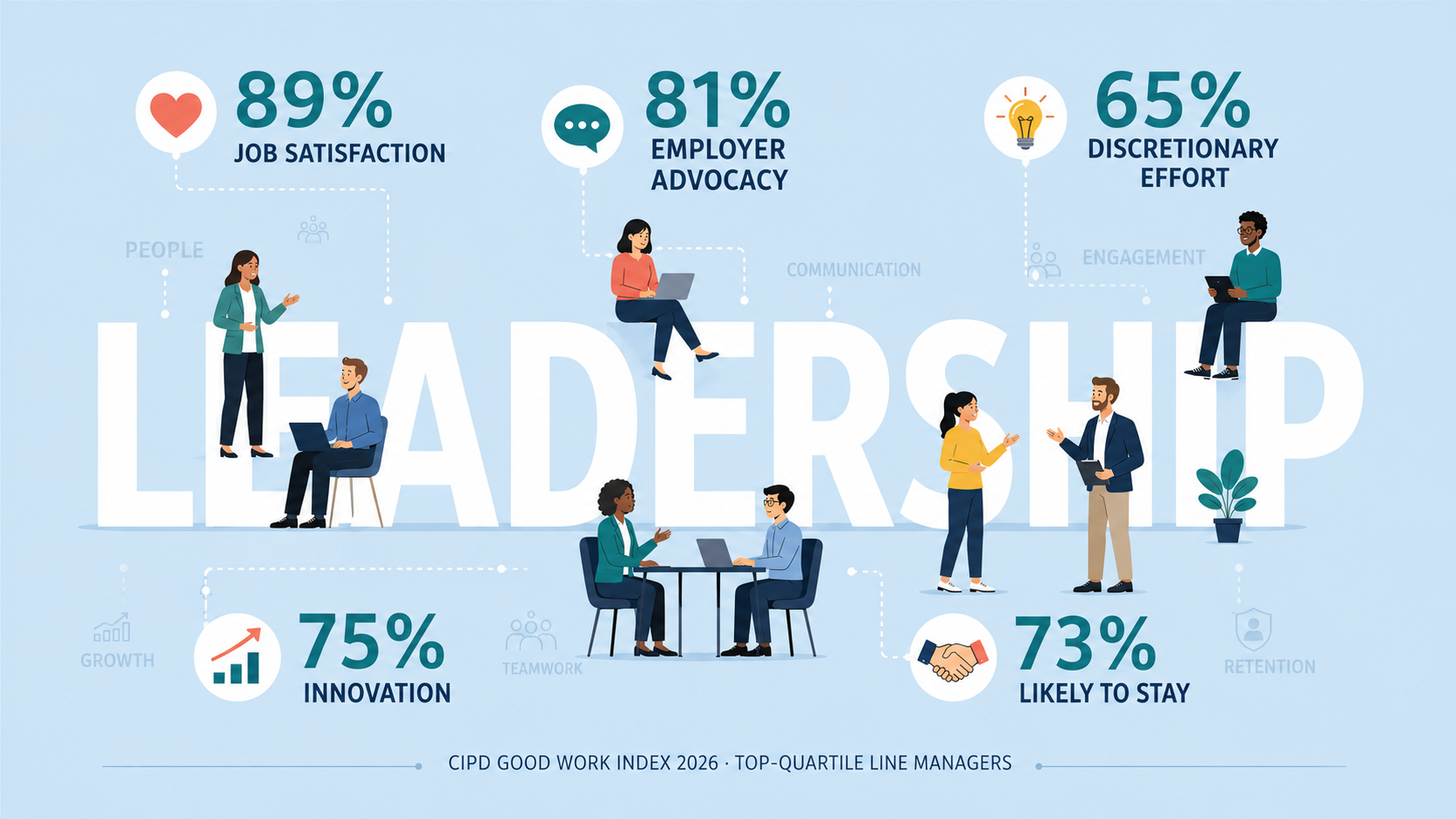
The recently released UK based CIPD Good Work Index 2026 provides incredibly compelling evidence of the strong relationship that exists between organisational performance and the quality of your managers and leaders. Take a look:

Why Regular Board Surveys Are Essential for Good Governance
Boards routinely examine organisational performance, financial results, risk and workforce capability. Yet one important area can receive far less systematic attention: the performance and effectiveness of the board itself.

What Can You Expect from a DISC Workshop?
A DISC workshop is designed to help people better understand their own behavioural style, recognise the preferences of others and adapt the way they communicate and work together.

What Is a Team Performance Profile and Why Does Your Team Need One?
Most teams are busy. Their members attend meetings, respond to emails, manage competing priorities and work hard to meet deadlines.
But being busy is not the same as being effective.

Empathy or accountability? The best leaders know it is not a choice.
What would appear to be an ongoing shift towards more “human-centred” leadership is indeed a positive one and understanding and embracing empathy is a big part of that. People invariably want leaders who listen, understand individual circumstances and recognise that employees have lives beyond the workplace. But empathy without accountability can create its own problems and getting the balance right can be challenging. A book that I highly recommend on this topic is The Empathy Edge by Maria Ross.

Using DISC Assessments to Manage and Navigate Workplace Conflict
Workplace conflict is rarely caused by behavioural differences alone. More often, conflict develops because people misunderstand the intentions behind those differences. One employee’s directness is interpreted as aggression. Another person’s caution is seen as resistance. Enthusiasm is mistaken for a lack of discipline, while patience is interpreted as avoidance. A DISC assessment can help teams replace these assumptions with a more constructive understanding of workplace behaviour.

Leadership – Self-awareness versus self-efficacy
Self-awareness is regularly described as one of the foundations of effective management and leadership and it’s easy to understand why.
Leaders need to recognise their strengths and limitations, understand their emotional triggers, appreciate how their behaviour affects others and remain open to feedback. Without this insight, even technically capable managers can unintentionally undermine trust, motivation and performance.
However, there is another construct that may be just as important—and perhaps even more directly connected to whether a leader succeeds.
That construct is self-efficacy: the belief that we are capable of taking the actions required to manage a particular situation or achieve a particular outcome. This raises an interesting question:

The Emotional Intelligence Paradox: Why Those Who Need It Most May Be Least Likely to See It
Emotional intelligence is widely recognised as an essential leadership capability and there is an enormous amount of data to support this. In short, it influences how we manage pressure, respond to feedback, navigate conflict, understand others and build productive relationships.
Yet emotional intelligence presents a difficult contradiction (or paradox) in that it those with the greatest gaps in this competency area that may also be the least able to recognise those gaps.

DISC Assessment vs Myers-Briggs: Which Is Better for the Workplace?
DISC and Myers-Briggs are two of the best-known behavioural and personality assessment frameworks used in workplaces. Both can help people understand themselves, recognise differences and improve how they interact with others. However, they approach this task in different ways.

Moving from Difficult to Different: Unlocking Relationship Insights Through DISC
Over the past 20 years, I’ve been involved in many leadership development programs. While each program has had a different focus, one theme comes up again and again when participants reflect on what they’ve learned and what they will apply.
These learners regularly suggest that completing a behavioural style profile, such as DISC, has changed the way they understand their relationships and the impact is rarely limited to the workplace.

Feedback: The Elixir of Leadership
Feedback is not just a management tool. It is the fuel that helps leaders grow, adapt, and lead with greater self-awareness. When done well, feedback turns everyday experiences into leadership lessons and helps people move from good intentions to better results.

The Four DISC Behavioural Styles: Understanding What Drives D, I, S and C
Most introductions to DISC stop at a simple description of each style. D styles are direct, I styles are enthusiastic, S styles are patient and C styles are analytical.
While these descriptions are useful, the real value of DISC comes from digging beneath the visible behaviour. To work effectively with different DISC styles, we need to understand what drives the behaviour, what each style is trying to achieve and what may happen when pressure rises.

Chess versus Checkers
Management and leadership are often spoken about as though they are interchangeable. They sit side by side in job titles, capability frameworks and development programs. We ask people to lead teams, manage performance, show leadership and manage change as if they are variations of the same skill.

What Makes a Successful, High-Performing Team?
A high-performing team is not just a group of talented people working near each other. Talent helps, but it does not automatically create teamwork. The best teams have something deeper: trust, clarity, shared purpose, mutual accountability and the ability to work through problems honestly.

Mental Health at Work: Why Awareness Is No Longer Enough
Mental health has become one of the biggest workplace conversations of the past few years. It is no longer a quiet HR topic, hidden inside an employee assistance brochure or mentioned once a year during a wellbeing campaign. It is now part of the bigger discussion about leadership, culture, performance, safety and retention.
That shift is welcome. But it also creates a risk.

Employee Engagement Still Matters, But It’s No Longer the Whole Retention Story
For years, organisations have treated employee engagement as one of the strongest signs that people will stay. If employees are motivated, involved and positive about their work, surely they are less likely to leave. That logic still holds some truth. But it is no longer enough.